Industry · Glass · 30,000 m³

Glass-ceramic manufacturer · Heat recovery from a dry cooler

  • 11,600 t CO₂/yr
  • 1 year, furnace by furnace
  • 561,279,002 kWh cumac
Talk about your project
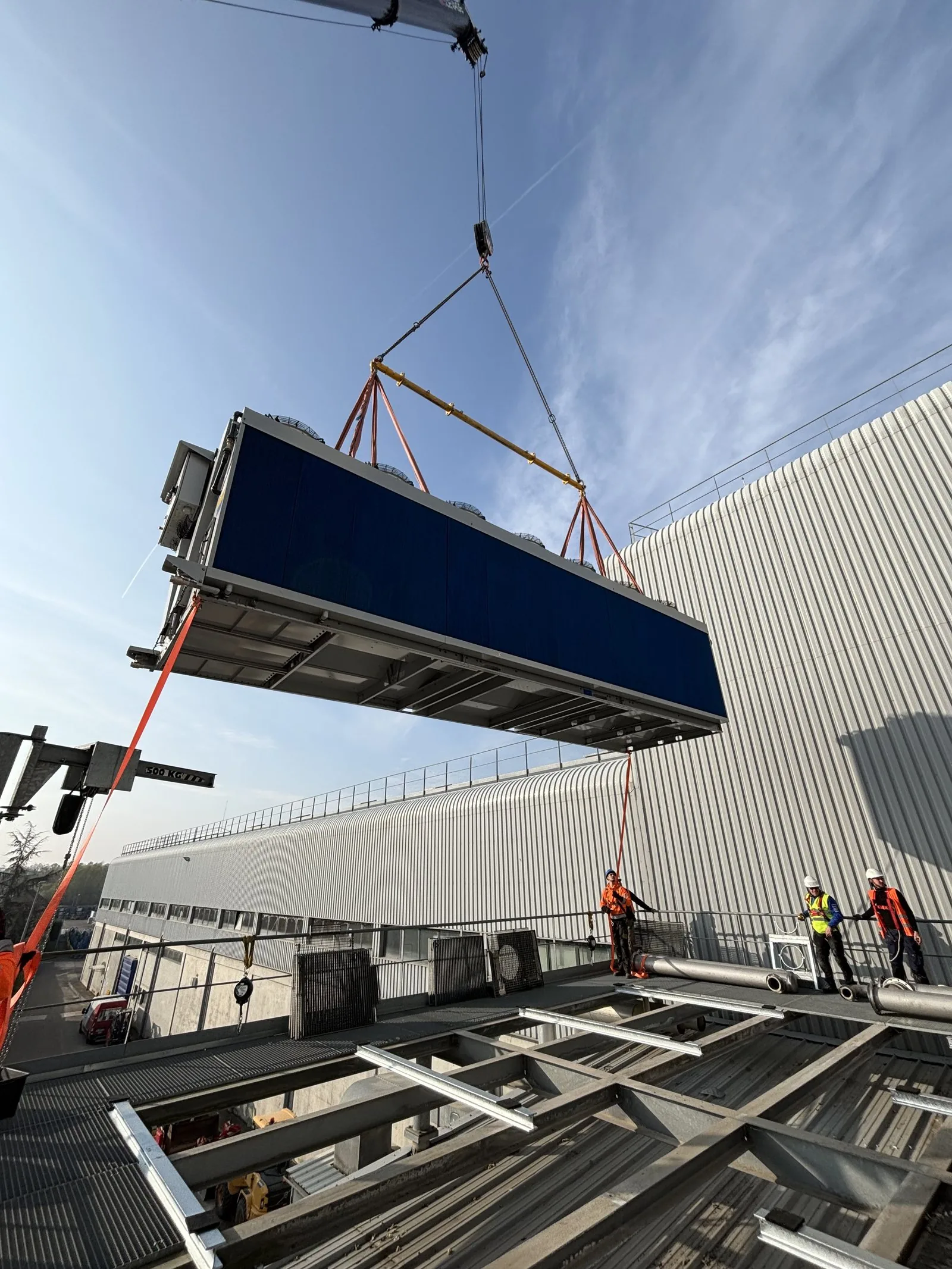
Crane lift of an adiabatic dry cooler onto the factory roof

The finding

(TAR) at the end of their life, the heat of three production furnaces entirely lost, and a building with 13 m of ceiling height impossible to heat evenly.

What KELP did

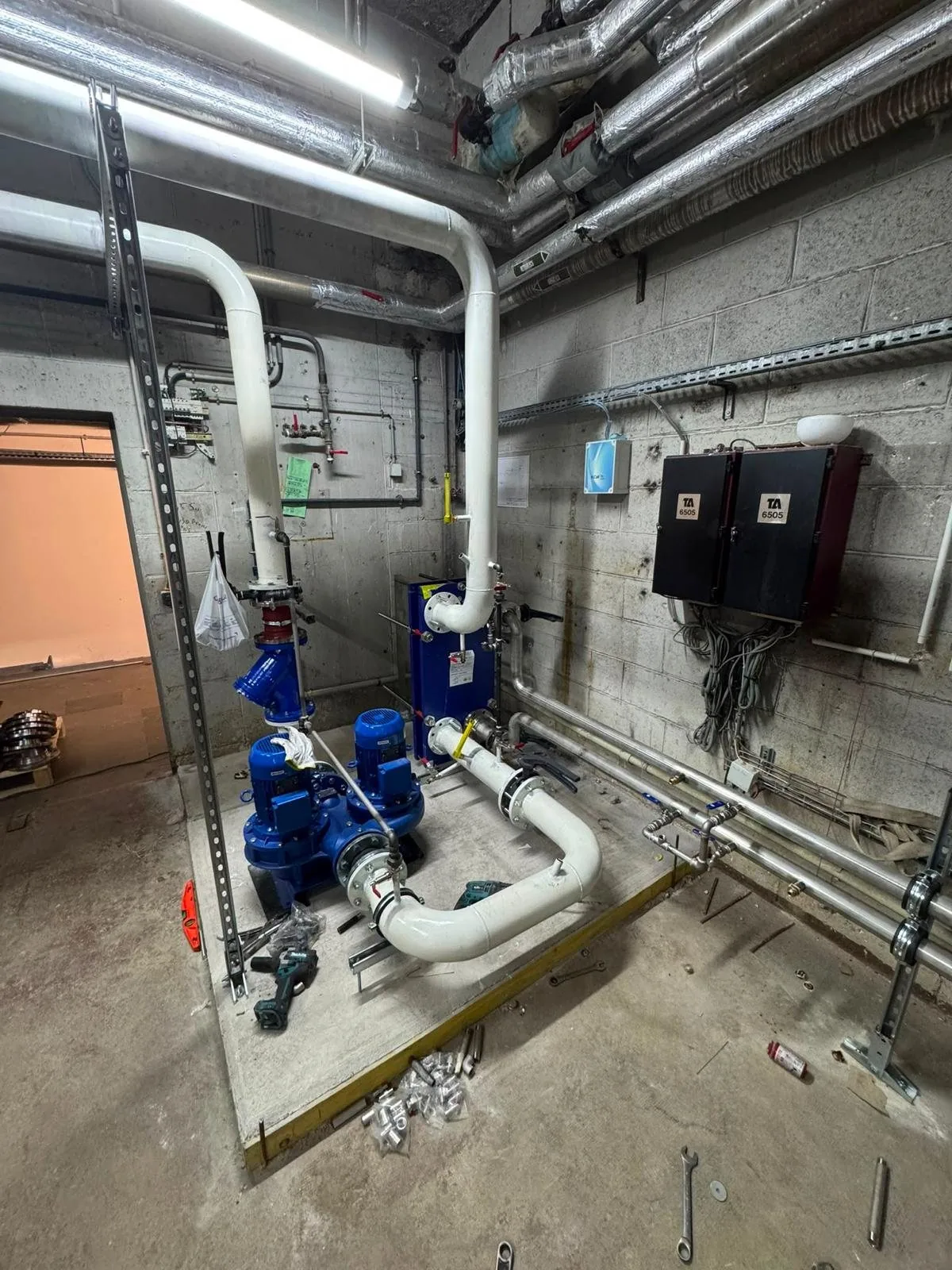
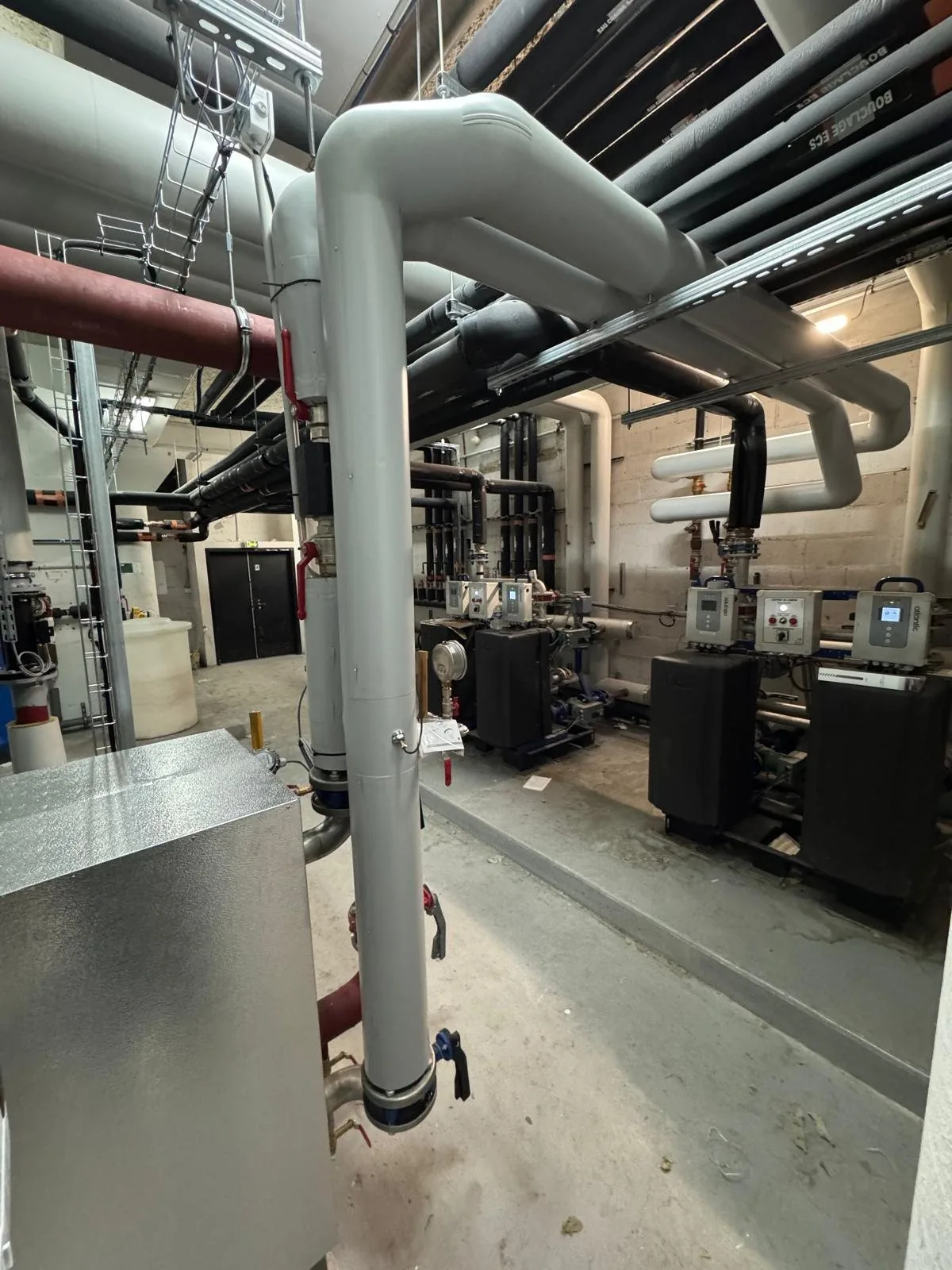
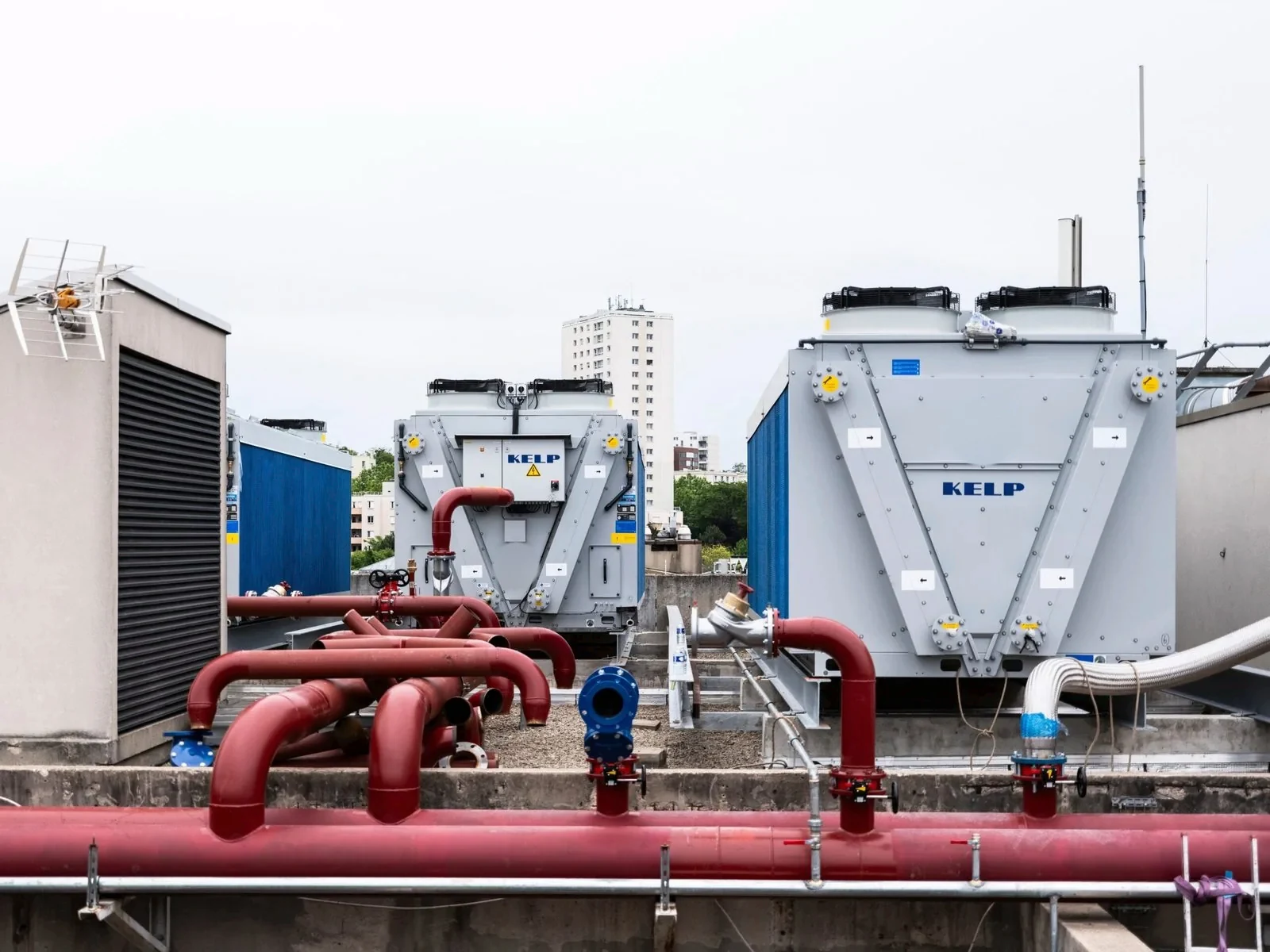
First of the two operations on a : heat from the furnaces, once lost, now preheats the air of the .

The result

Production never stopped.

11,600 t CO₂/yr

CO₂ avoided across the whole site

Equal to the annual carbon footprint of about 1,400 French people, or 82 million km driven every year in a petrol or diesel car

The site has 9 operations: the CO₂ avoided, the CEE volume and the project duration are for the whole site.

Energy savings certificates (CEE)

Works funded by energy savings certificates (CEE)
How we calculate the CO₂ avoided : The CO₂ avoided is estimated from each project's volume of energy savings certificates (CEE), expressed in kWh cumac, that is, cumulated over the conventional lifetime of the works and discounted at 4% per year. This volume is converted into the energy saved in one year, then multiplied by the emission factor of the energy replaced: 0.065 kg CO₂/kWh for electricity used for domestic hot water, 0.227 kg CO₂/kWh for natural gas (regulatory values from the French order of 31 March 2021). Comparisons: average carbon footprint of a French person, 8.2 t CO₂e per year (SDES, 2024); petrol or diesel car, 142 g CO₂e per km, manufacturing included (ADEME, Impact CO2, 2025).

A comparable project on your site

The audit establishes the savings achievable on your site and the financing available for your project.