Commercial and public · Healthcare · 600 beds

Hospital buildings · Heat recovery from an air-to-water chiller

  • 510 t CO₂/yr
  • 86,243,850 kWh cumac
Talk about your project
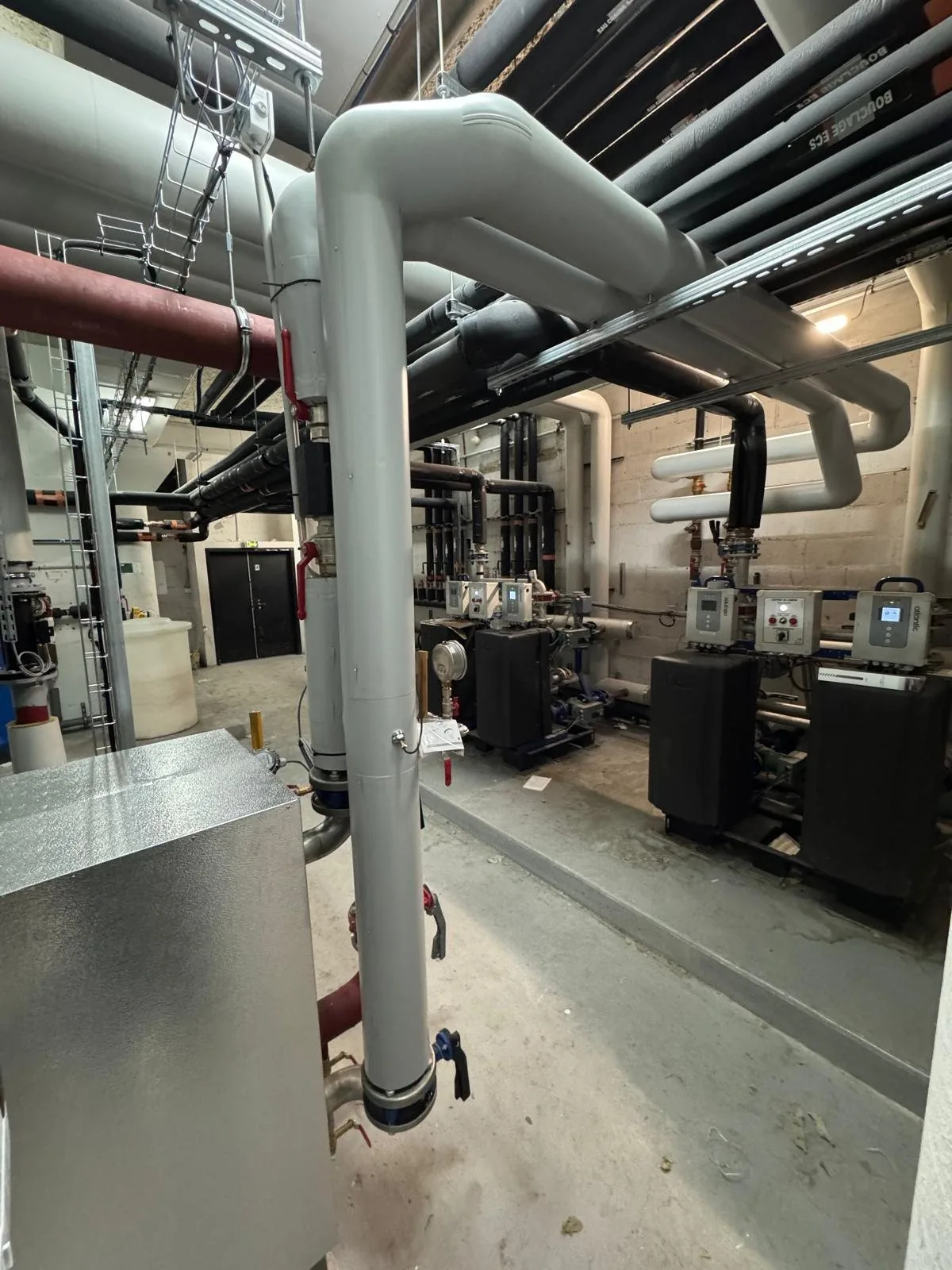
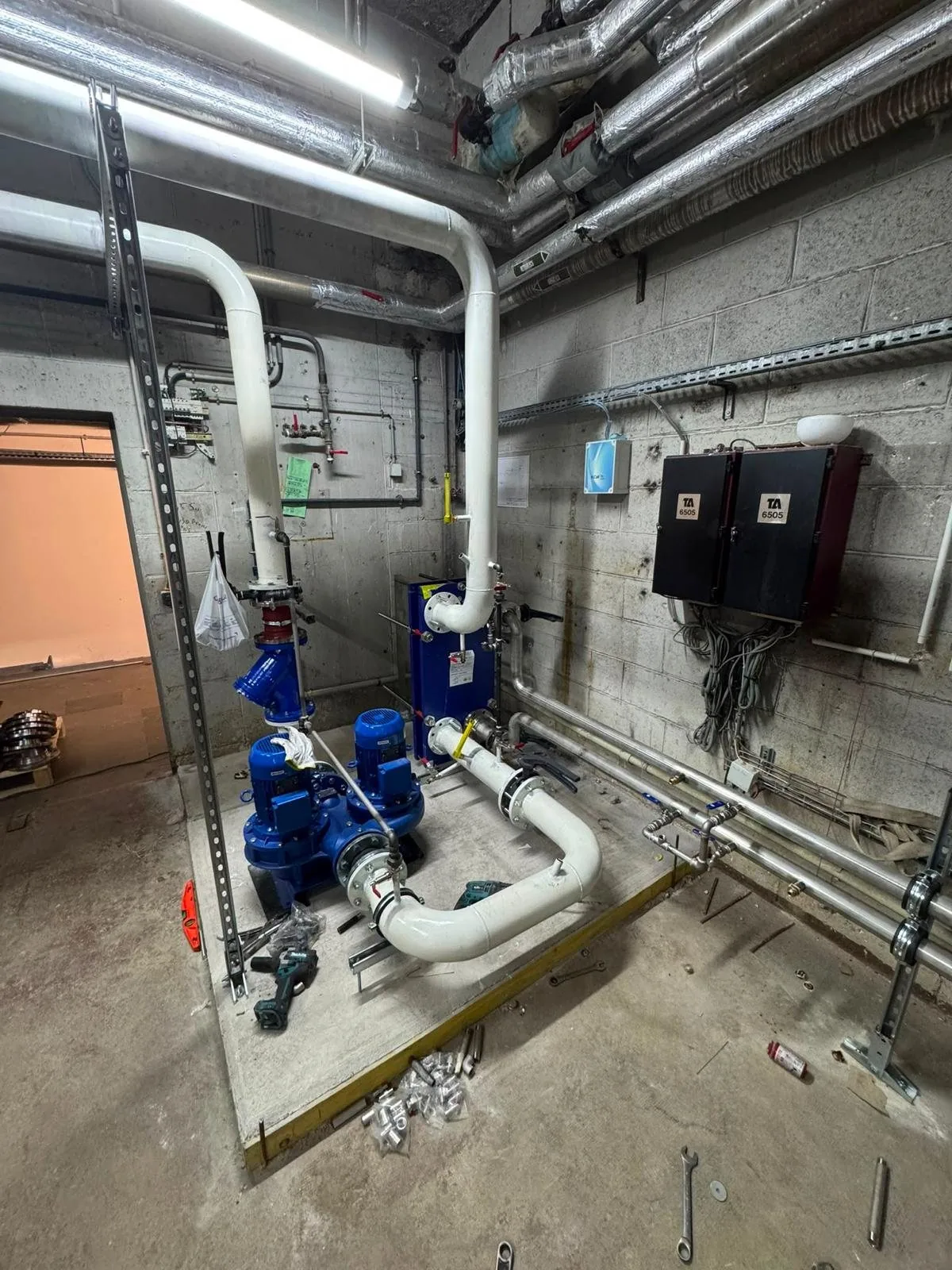
Insulated heat recovery pipework connected to domestic hot water production

What KELP did

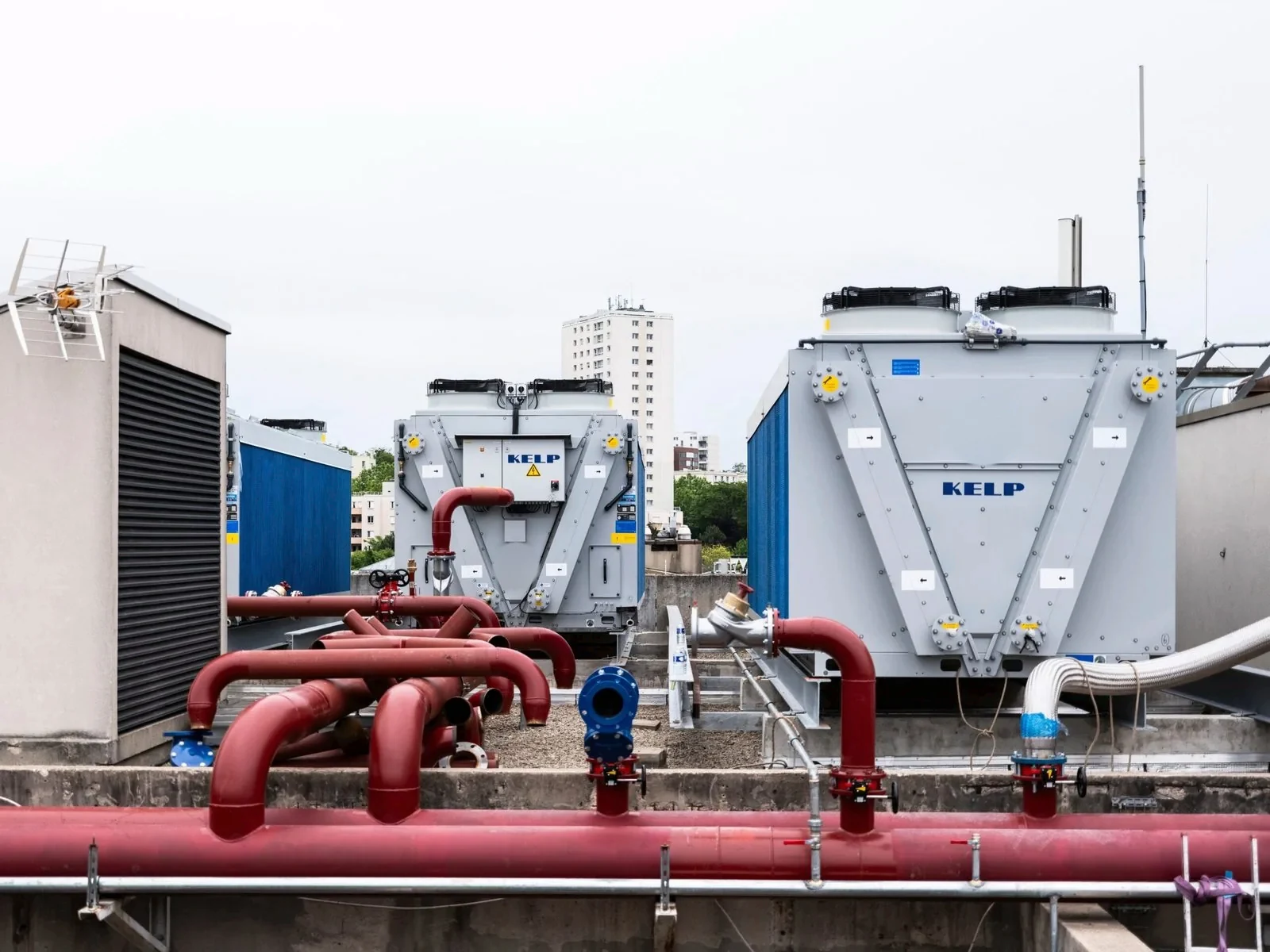
Work in progress: KELP is connecting the on an air-to-water to the networks.

The result

510 t CO₂/yr

CO₂ avoided across the whole site

Equal to the annual carbon footprint of about 62 French people, or 3.6 million km driven every year in a petrol or diesel car

The site has 2 operations: the CO₂ avoided, the CEE volume and the project duration are for the whole site.

Energy savings certificates (CEE)

Works funded by energy savings certificates (CEE)
How we calculate the CO₂ avoided : The CO₂ avoided is estimated from each project's volume of energy savings certificates (CEE), expressed in kWh cumac, that is, cumulated over the conventional lifetime of the works and discounted at 4% per year. This volume is converted into the energy saved in one year, then multiplied by the emission factor of the energy replaced: 0.065 kg CO₂/kWh for electricity used for domestic hot water, 0.227 kg CO₂/kWh for natural gas (regulatory values from the French order of 31 March 2021). Comparisons: average carbon footprint of a French person, 8.2 t CO₂e per year (SDES, 2024); petrol or diesel car, 142 g CO₂e per km, manufacturing included (ADEME, Impact CO2, 2025).

A comparable project on your site

The audit establishes the savings achievable on your site and the financing available for your project.